Just Bought a Vintage 911? An Interior Restoration Plan for New Owners in Snohomish County
You finally did it. Maybe the car came from a seller in Mill Creek, maybe it came off a trailer from out of state, but there is now a classic 911 in your garage and you keep walking out just to look at it. Then you open the door. The driver’s seat bolster is flat, the headliner sags near the rear window, and there is a smell you can’t quite place. That is normal for a car this age, and it is exactly why a plan beats a rush. This guide walks new owners through vintage Porsche 911 restoration for the interior in the order that makes sense: what to check first, what to fix now, what can wait, and how to keep the work true to the car.
Start With a Slow, Honest Inspection
Before you order anything, spend an afternoon documenting the cabin. Pull the car into good daylight and photograph every panel. Those photos become your baseline and make the first conversation with a trim shop far more productive.
What to Look At
- Seats: sit in both. Look for split seams, cracked leather, and foam that feels collapsed or lets you slide toward the door.
- Dash: check for cracks, warping, and fading, especially along the top where the sun hits.
- Headliner and sun visors: look for sagging, stains, and loose edges.
- Door panels: test the pulls and pockets, and look for lifting material or loose trim.
- Carpet and floor: lift the mats and press on the carpet. Damp padding underneath is a warning sign.
- Steering wheel and shift knob: worn shine, cracks, or peeling tell you how hard the car has been used.
Also note anything that looks replaced. Many vintage 911s have had several owners, and knowing what is original helps you decide what to keep and what to replace.
Fix Water and Moisture Problems First
Snohomish County winters are long and wet, and older cars rarely seal the way they did when new. If you found damp carpet padding, a musty smell, or windows that fog up quickly, find the source before you spend money on the interior. New upholstery over a moisture problem will not last, and trapped dampness can lead to mildew and corrosion underneath.
Leaks from seals and drains are a job for your mechanic or body shop, and that work should come before any trim work. Once the car is dry, store it in a garage when you can and use a breathable car cover rather than a plastic tarp, which can hold moisture against the car. If you want more detail on how our local weather affects a cabin, read our post on how the Pacific Northwest climate affects a Porsche 911 interior.
Decide What Kind of Vintage Porsche 911 Restoration You Want
Before anyone cuts leather, decide on the goal. Most new owners land in one of three places:
- Preserve: clean, condition, and repair only what is failing. Good for a car with a solid, mostly original interior.
- Restore to original: bring the cabin back to the way it left the factory, with period-correct colors, patterns, and materials.
- Personalize: keep the classic character but make it yours. That could be an OEM plus look with upgraded materials and custom stitching, or a fully custom cabin.
Think about how you will use the car. A 911 that does weekend runs out to Lake Stevens or along the Mukilteo waterfront may call for different choices than one headed for shows. If you are torn between original and modern, our guide on choosing between a vintage 911 restoration and a restomod covers that decision in depth.
Build a Priority List: Now, Next, and Later
You do not have to do everything at once. Working in stages keeps the budget manageable and lets you enjoy the car in the meantime.
Now
Anything that affects safety or causes ongoing damage. That means moisture problems, a driver’s seat that no longer holds you in place, and a steering wheel grip that is cracked or slippery.
Next
High-touch, high-wear items you notice on every drive: driver’s seat upholstery, a steering wheel re-trim, and the shift boot. These make the biggest difference to how the car feels behind the wheel.
Later
The rest of the cabin: passenger seat, door panels, headliner, and dash. One tip: if you plan to redo most of the interior eventually, grouping these pieces into one project usually gives the most consistent match in color, grain, and stitching. Leather from different batches can vary slightly, and that shows when pieces sit side by side.
What to Do When Original Parts Are Hard to Find?
Sooner or later, most vintage 911 owners run into a trim piece, bezel, or console part that is cracked and no longer easy to source. That does not have to stall the project.
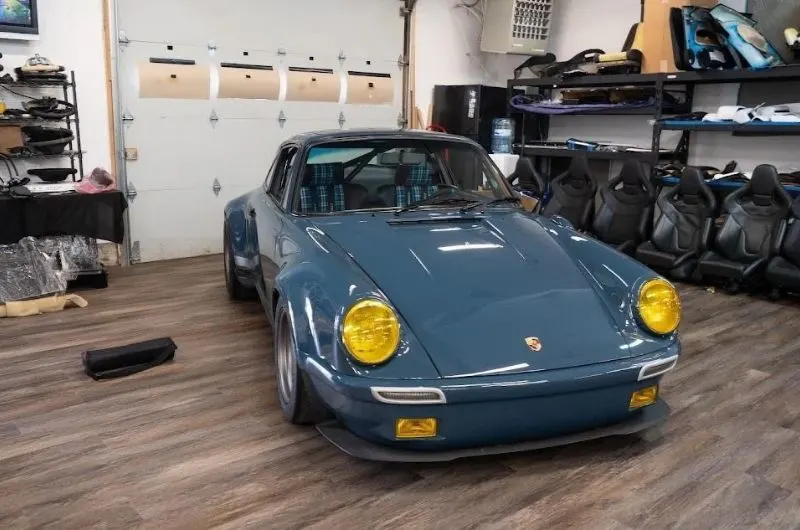
At NW Crafted Interiors, we use a 3D scanner to capture the shape of an original part, then produce a replacement with our Modix 3D printer and BOSS laser cutter. From there, the new piece can be wrapped in leather or Alcantara to match the rest of the cabin. If you still have the damaged original, keep it, even if it is broken. It is often the best reference for getting the shape right.
How to Care for the Interior While You Plan?
Even if restoration is months away, a little care now keeps wear from getting worse.
- Park out of direct sun when you can, and use a windshield shade on bright days.
- Clean leather with a product made for automotive leather, not a household cleaner. We make our own Premium Leather Cleaner and Conditioner for this.
- Condition the seats regularly so the leather stays supple instead of drying out and cracking.
- Vacuum the carpet and keep the floor dry, especially after rainy drives.
For more on how leather, stitching, and trim age, see our post on understanding Porsche interior materials.
Frequently Asked Questions
Should I restore the interior right after buying, or drive the car first?
Unless there is a moisture or safety problem, drive it for a while. A few months behind the wheel shows you which wear bothers you most and how you actually use the car.
Will a custom interior hurt the value of my vintage 911?
It depends on the car and who might buy it later. Originality tends to matter more on rare or highly original examples. We are happy to talk through the tradeoffs at your consultation. Our post on how interior restoration affects collector value covers this in more detail.
Can you match the original fabric patterns and colors?
In many cases, yes. Bring the car or a sample of the original material, and we will tell you how closely we can match it with the leathers and fabrics available.
Can I restore the interior in stages?
Yes. Many owners start with the driver’s seat and steering wheel and finish the rest later. If you go this route, let us know your long-term plan so we can choose materials that will match when the later pieces are done.
How long does an interior restoration take?
It depends on the scope. A single item like a steering wheel re-trim is a much smaller job than a full cabin. We will give you a realistic timeline once we have seen the car and agreed on the plan.
Do I need an appointment?
Yes, please call ahead. Our shop is open Monday through Friday, 6:30 AM to 3:30 PM, and closed on weekends.
Start Your Vintage 911 Interior Plan
When you are ready to discuss vintage Porsche 911 restoration, bring the car, your inspection photos, and any original parts to a consultation at our shop in Everett. Scottie and Jordan Stratton, the father and son team behind NW Crafted Interiors, will look at the car with you, talk through your goals, and explain what makes sense now and what can wait. From there, our process moves through 3D rendering, fabrication, and delivery, so you see the plan before any material is cut. You can see examples of our work on the Crafted Interiors page.
Call NW Crafted Interiors at 425-330-6017 or contact us online. Visit us at 7315 Olympic Dr, Everett, WA 98203. We work with owners across Everett, Marysville, Call: +14253306017 and the rest of Snohomish County.